
Tradition and professionalismin a unique setting.
Its grand architecture, surrounded by nature and Andalusian heritage, houses a wide variety of indoor and outdoor spaces that can accommodate diverse formats: corporate meetings, workshops, presentations, conventions, as well as intimate or large-scale family and social events.
Our hacienda offers tailor-made experiences in a venue with its own kitchen, boutique accommodations, distinct areas with different atmospheres, and a team with over 25 years of experience in full-service event management. Our priority is to provide impeccable service, customized for each client.
Hacienda de Orán is the choice for those seeking to combine tradition, functionality, and professionalism in an environment that conveys trust, quality, safety, and a passion for everything we do.
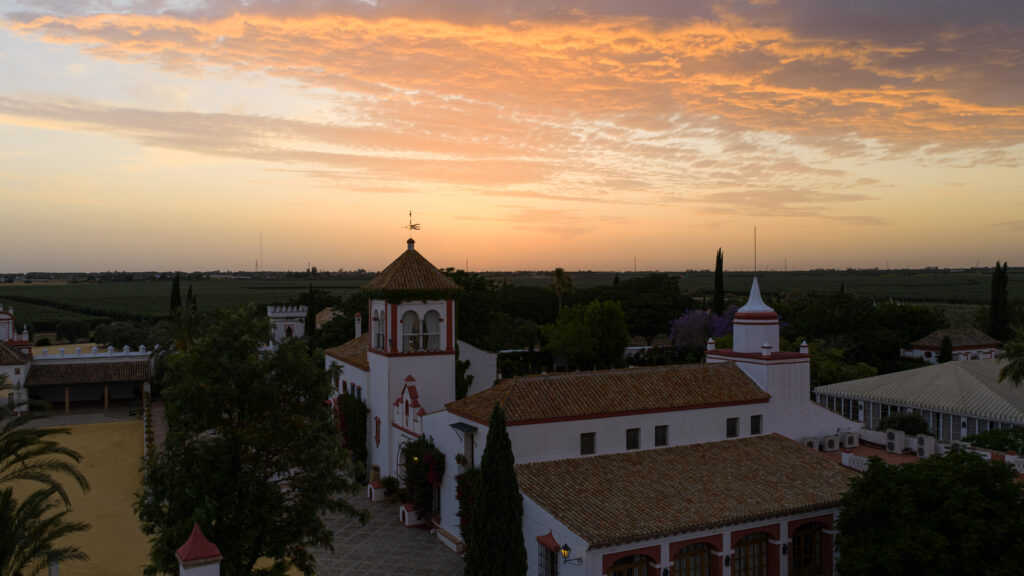
Located on the outskirts of Seville, Hacienda de Orán stands as a corner of exclusivity and beauty surrounded by a lush garden of palm trees, centuries-old olive trees and flowers that perfume the air, without losing the cultural essence that defines and sets it apart.
Over the years, its traditional architecture, courtyards, halls and gardens have been restored to host unique moments, achieving the perfect balance between the legacy of its past and cutting-edge innovation.
Today, Hacienda de Orán combines authentic flavour with contemporary comfort; tradition and modernity intertwine to offer our visitors an intimate and deeply Andalusian experience, where every moment is lived with the elegance of the eternal.
Here, tradition is not the past: it is the soul of everything we do.
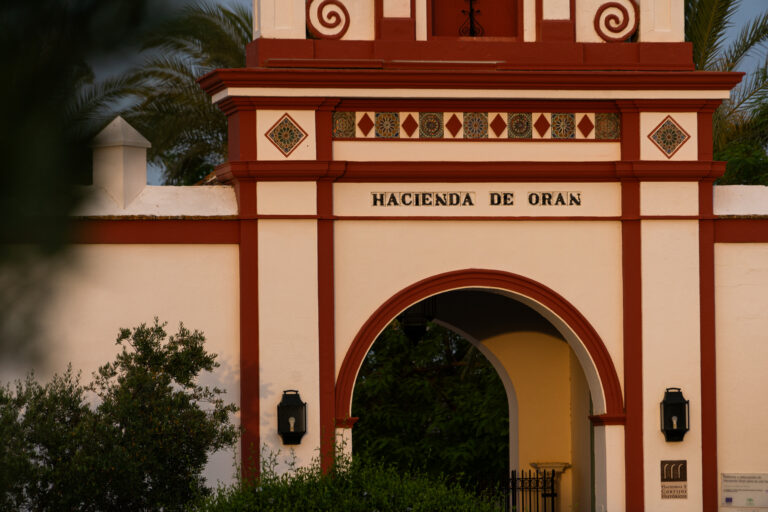
It was 1509 when, after the successful conquest of the city of Oran—in present-day Algeria—Ferdinand the Catholic decided to reward the heroes who had participated in that historic campaign in gratitude for their courage and loyalty. One of them was Don Alonso de Figueroa, a knight from Seville linked to the region of Utrera and a descendant of an illustrious family that had been distinguished with an entailed estate in the area of La Campiña.
As a token of gratitude and recognition, the monarch granted him extensive lands south of Seville, in a strategic enclave due to its fertility and proximity to trade routes. It was there, on those strategic lands, that Don Alonso built a hacienda for his family and named it in honour of the victory that had marked his destiny: Hacienda de Orán.
Since then, the name has endured for more than five centuries, preserving not only the traces of history, but also the soul of Andalusian rural architecture, the agricultural character of the countryside and the sober elegance of the estates of yesteryear.
Hacienda de Orán, a name that evokes history, roots and the essence of Andalusia.
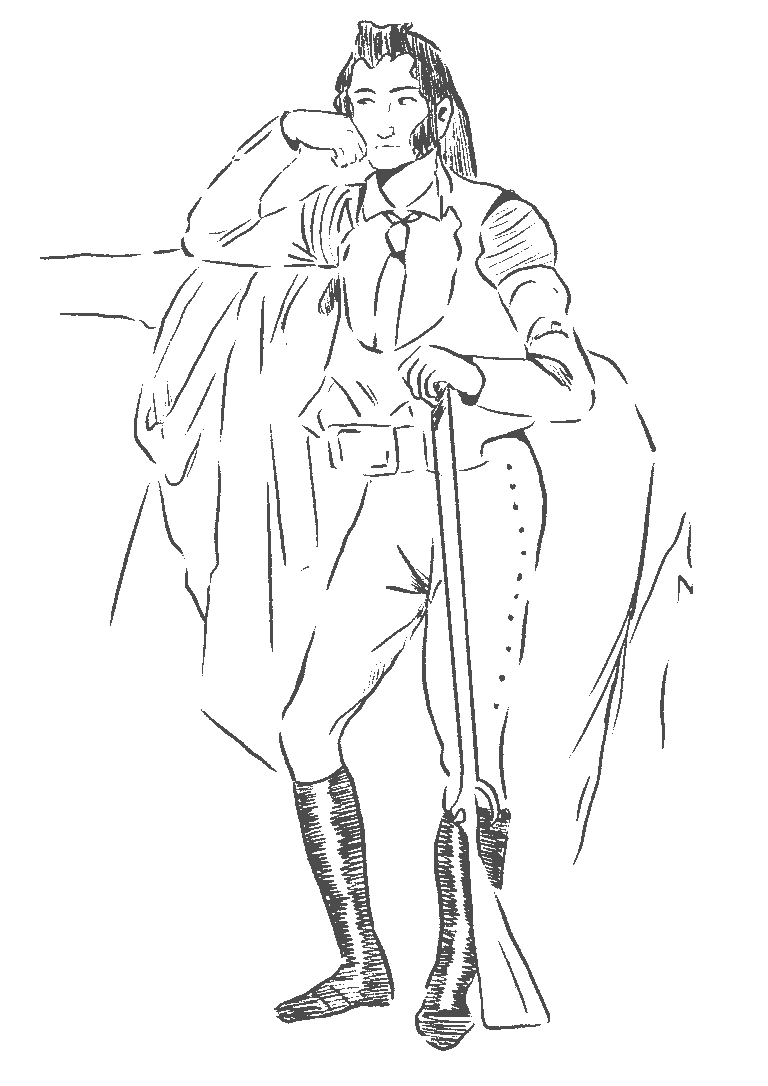
First, he won the sympathy of those who lived in the farmhouses in the area, as was the case with this estate. In this way, Diego always ensured he had a route of escape with fresh horses whenever he was pursued. According to legend, on a rainy winter’s day, a father and daughter were on their way to Seville via the Cañada Real when they were attacked by a friar who called himself Diego Corrientes. The fake Diego took all the money that was to be used to pay for the little girl’s operation in a hospital in the capital.
The father and daughter, helpless, went to a nearby tavern asking for food and shelter. The tavern keeper asked what had happened to them, and everyone present heard the story that the father told with tears in his eyes. No one could have imagined that among those drinking a glass of brandy was the real bandit Diego Corrientes, who, enraged, left the tavern to capture the man who was stealing his name. The bandit managed to find the thief hiding in this hacienda and, without hesitation, cut off his head. In one of the rooms of the hacienda, you can see an inverted jar where the friar killed by the brave Sevillian bandit is buried.
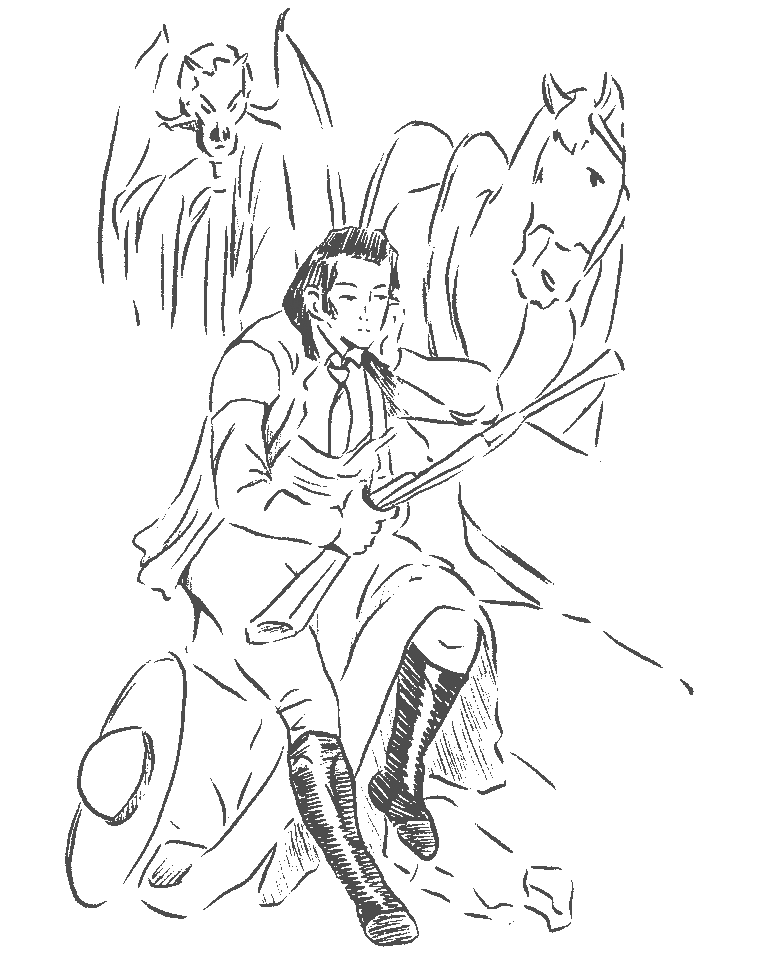
This work contributed significantly to the construction of the myth of Diego Corrientes as a generous bandit who stole from the rich to help the poor.
In addition, the writer Antonio Rincón, also a native of Los Palacios, has addressed the figure of Diego Corrientes in his writings. For example, he participated in the presentation of the posthumous book ‘Sentencias para un cante’ by Manuel Mauri León, which included a chapter dedicated to Diego Corrientes.
Both authors have contributed to keeping the memory of Diego Corrientes alive, highlighting his relevance in Andalusian popular culture.